Room Goals IRL: How Anime's Visual World Is Taking Over Gen Z Bedrooms Across America
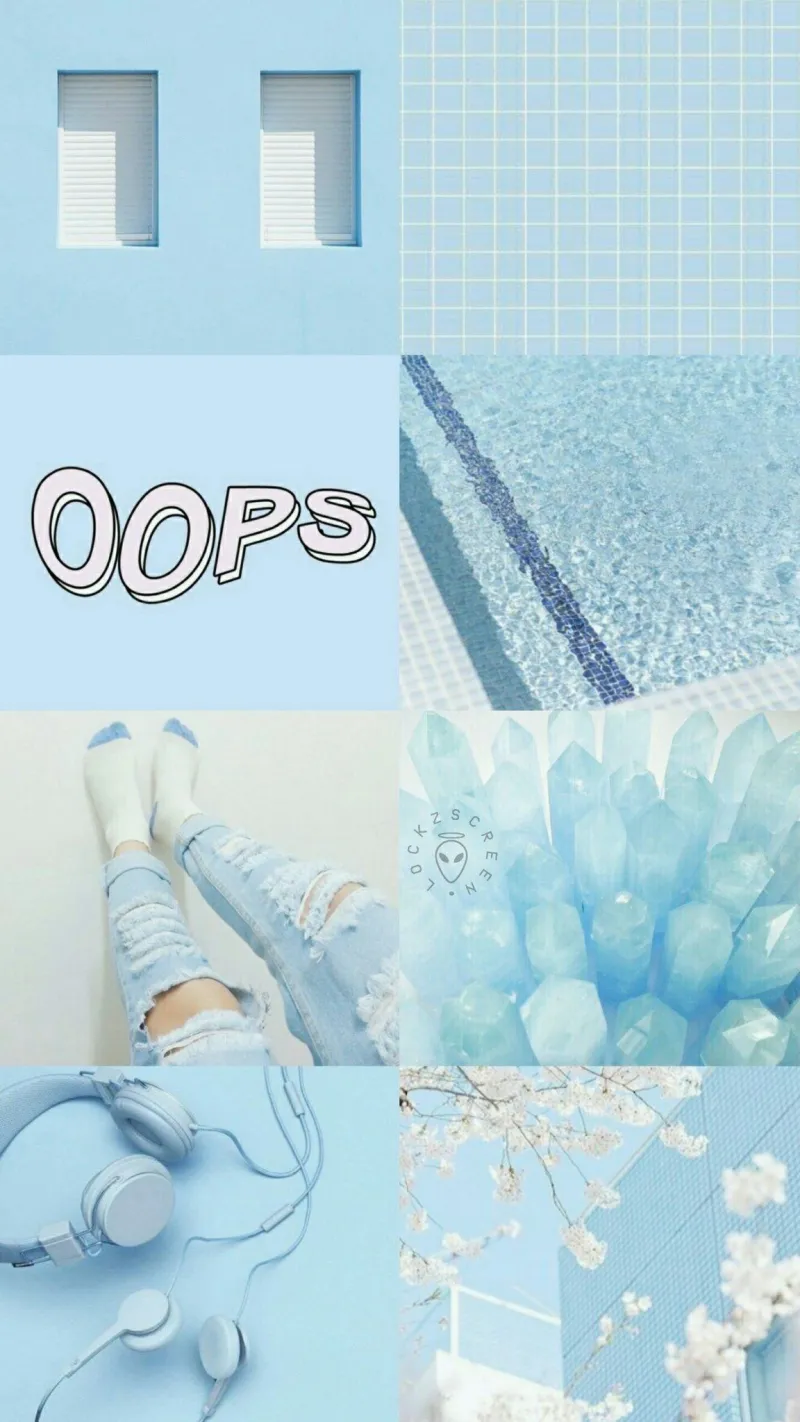
Photo: aesthetic anime-inspired bedroom with LED lights pastel colors and manga shelves, via aestheticwallpapers.io
There's a specific kind of bedroom you've probably seen flooding your For You Page lately. Soft pink or deep indigo walls. A LED strip glowing behind a monitor. A low-profile bed frame draped in pastel linens. Shelves lined with figurines, manga volumes stacked in color order, and maybe a plushie or two tucked between a Bluetooth speaker and a diffuser. It looks curated — almost fictional. That's because, in a very real sense, it is.
Across the US, Gen Z is redesigning their personal spaces with anime as their primary aesthetic reference point. Not just slapping a poster on the wall, but genuinely rethinking furniture layout, color palettes, lighting, and texture — all filtered through the visual language of their favorite shows. And the internet is absolutely eating it up.
Why Anime Rooms Feel Like a Different World (In a Good Way)
If you've spent any time watching slice-of-life anime — think A Silent Voice, Your Lie in April, or even the cozy interiors of Mushishi — you've probably felt it: that quiet, almost aching sense that the spaces characters inhabit are just better than real life. Cleaner. More intentional. Bathed in golden afternoon light or the cool blue of a rainy evening.
That's not accidental. Anime backgrounds and interior design are a craft unto themselves, with studios like Kyoto Animation and Shaft developing near-obsessive attention to architectural detail and color theory. The result is spaces that feel emotionally resonant — rooms that communicate a character's inner world without a single line of dialogue.
For Gen Z viewers who grew up absorbing these visuals, the leap from "I love this aesthetic" to "I want to live in this aesthetic" is a short one. Psychologists who study parasocial relationships and media consumption have noted that immersive visual media creates what's sometimes called an "aspiration transfer" — the emotional warmth you associate with a fictional space gets projected onto your desire to recreate it in the real world. Anime, with its meticulous environmental storytelling, is basically a masterclass in making you want to move in.
The Rise of the Anime Room Tour
If you haven't stumbled across "anime room tour" as a content category yet, go ahead and search it on YouTube or TikTok right now. We'll wait.
Back? Yeah. It's a whole thing.
Creators across the US are filming walkthroughs of their bedrooms, dorm rooms, and even apartments styled with deliberate anime influence. Some go full maximalist — every inch covered in merch, tapestries, and custom wall art. Others take a more restrained approach, letting a single color palette or a few carefully chosen pieces do the heavy lifting. Both styles rack up serious views, because at the end of the day, people are endlessly fascinated by how other people organize their personal space — especially when that space tells a story.
Channels dedicated to this niche have grown significantly over the past two years. Creators like those in the "otaku room" and "kawaii room" communities on YouTube often hit hundreds of thousands of views per tour, and comment sections are full of people asking for product links, paint color codes, and sourcing tips. It's aspirational content with a built-in shopping impulse, which brings us to the next piece of this puzzle.
Retailers Are Paying Attention (Obviously)
Where Gen Z attention goes, brand dollars follow — and the anime room aesthetic trend is no exception.
Target, IKEA, and Amazon have all seen spikes in interest around products that happen to align with anime interior sensibilities: minimalist low-profile furniture, paper lantern-style lighting, shoji screen room dividers, and modular shelving designed to display collectibles. None of these are explicitly marketed as "anime products," but that's almost the point. Savvy Gen Z shoppers are doing the remix themselves, pulling from multiple product categories to build a cohesive look.
Then there are the brands that are being more direct about it. Companies like Crunchyroll's official merch arm, Surreal Entertainment, and smaller indie retailers on Etsy and Redbubble have leaned hard into room decor — tapestries, neon signs shaped like kanji or iconic anime imagery, printed throw pillows, and custom posters that walk the line between fan art and interior design. The market for this stuff is genuinely significant. According to industry observers tracking anime merchandise in North America, room and lifestyle decor has become one of the fastest-growing subcategories, outpacing traditional apparel and accessories in some segments.
Even mainstream furniture companies are starting to experiment with limited-edition anime collaborations. Sanrio-adjacent aesthetics have long had a foothold in American retail, but the appetite for more mature, narrative-driven anime visual styles — the moody blues of Evangelion, the warm earth tones of Spirited Away, the stark geometric minimalism of Ghost in the Shell — is pushing brands into new territory.
It's Not Just Decoration — It's Identity
Here's the thing that makes the anime bedroom trend more than just an interior design moment: for a lot of Gen Z, their room isn't just where they sleep. It's their content studio, their social media backdrop, their Zoom background, and the primary space where they exist as themselves outside of school or work.
Decorating a room with anime aesthetics is, in that context, an act of identity expression. It's saying something about what you love, what emotional world you want to inhabit, and how you want to be perceived by the people who see your space — whether in person or through a screen. The bedroom has always been a canvas for self-expression, but the digital age has raised the stakes considerably. When your room is literally on the internet, the pressure to make it mean something intensifies.
Anime provides an incredibly rich visual vocabulary for that. Whether you're drawn to the cluttered cozy warmth of a shonen protagonist's childhood home or the sleek, melancholy elegance of a psychological thriller's setting, there's an anime aesthetic that maps onto your vibe. And increasingly, there are products, tutorials, and communities ready to help you build it.
The Yumekibow Take
What's happening in Gen Z bedrooms right now is genuinely fascinating to watch. It's the logical endpoint of a generation that grew up with anime not as a subculture but as a mainstream visual language — one they've absorbed deeply enough to translate into the physical world around them.
The anime room tour isn't just a content format. It's a cultural artifact. It tells you something real about what these spaces mean to the people who build them, and about how a medium born in Japan has embedded itself so thoroughly into American youth culture that it's now shaping the literal walls they live inside.
That's not a trend. That's a shift. And if your FYP is any indication, it's only getting started.