Beyond the Screen: How Anime's Visual DNA Is Rewriting American Style
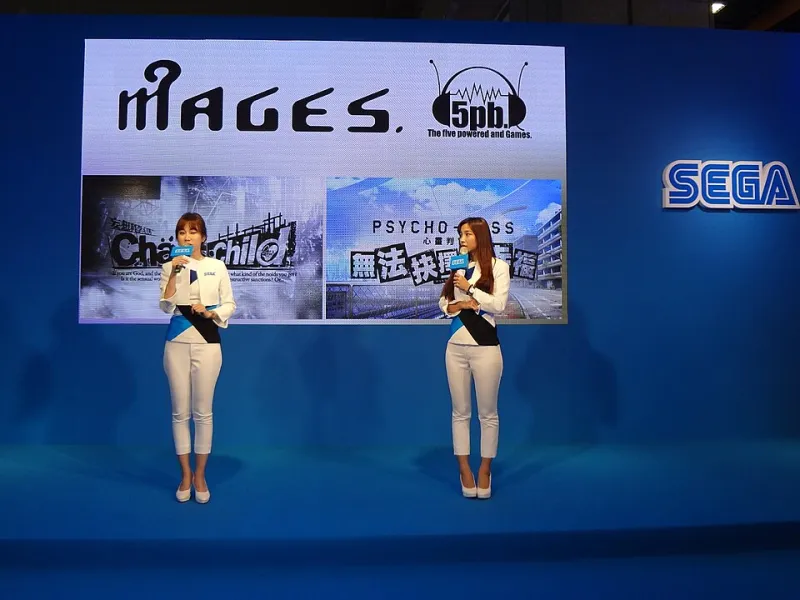
Photo: Solomon203, CC BY-SA 4.0, via Wikimedia Commons
Not too long ago, wearing a Naruto headband outside of a convention center was practically a social risk. Fast forward to 2024, and you've got Billie Eilish rocking anime-adjacent aesthetics on red carpets, Target stocking shonen-inspired graphic collections, and TikTok absolutely drowning in tutorials teaching you how to nail that "2D eye" makeup look. Something fundamental has shifted — and it's worth slowing down to actually understand what's happening.
Anime's visual language isn't just leaking into American culture anymore. It's actively rewriting the rulebook.
The Look That Launched a Thousand Trends
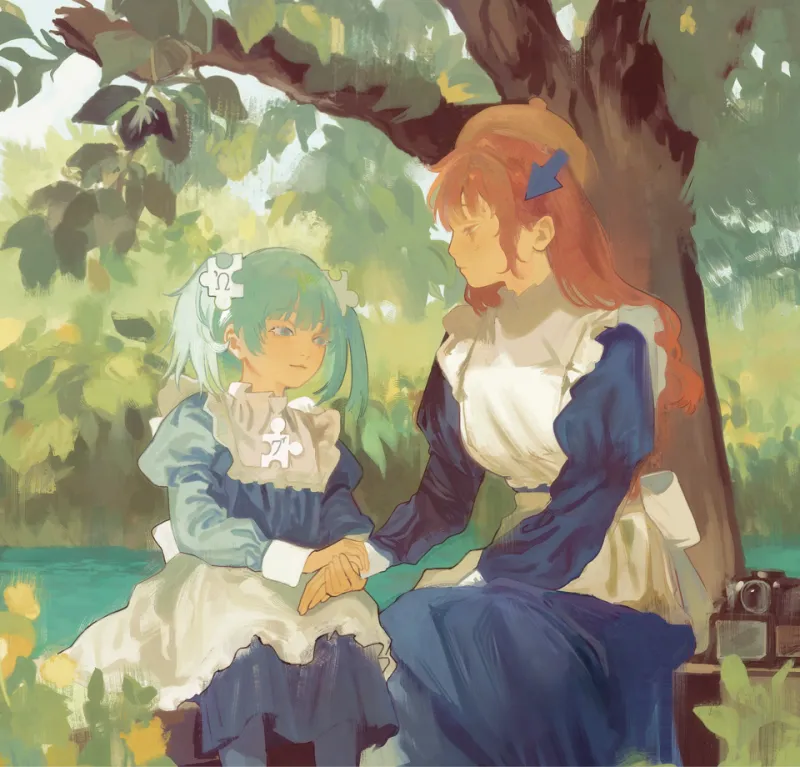
If you want to trace where this started getting loud, look at the color palette. Anime has always leaned hard into contrast — electric pinks against muted blues, shock-white hair on characters with deeply expressive eyes, saturated environments that feel hyper-real and dreamlike at the same time. That visual intensity, which once lived exclusively on screen, has become the template for an entire aesthetic movement.
Beauty brands noticed first. NYX, e.l.f., and a wave of indie cosmetics labels started releasing collections explicitly nodding to anime character design — think graphic liner that mimics animated eye styles, blush placement that replicates the soft "flushed cheek" look you see on shojo heroines, and hair color trends that read less "salon experiment" and more "freshly designed protagonist." The aesthetic has a name in beauty communities now: "anime-core," and it's generating millions of views across YouTube and TikTok.
But this goes deeper than eyeliner.
Streetwear Gets the Memo
American streetwear has been quietly absorbing anime influence for years — Supreme did Dragon Ball Z collabs, Uniqlo's UT line has been printing manga panels on tees since before it was trendy — but what's different now is the attitude around it. Wearing anime-inspired clothing used to signal something specific about who you were (read: a fan, maybe a nerd, definitely someone with strong opinions about subbed vs. dubbed). Now it signals something else entirely: taste, cultural awareness, a certain kind of cool that's hard to pin down but instantly recognizable.
Brands like Cactus Plant Flea Market and even high-fashion houses have pulled from anime's visual vocabulary — exaggerated proportions, graphic boldness, characters that feel simultaneously innocent and otherworldly. Walk through any urban streetwear store in LA, Chicago, or NYC and you'll spot hoodies with Akira-style imagery, bucket hats that feel pulled straight from a slice-of-life opening sequence, and accessories that look like they belong in a magical girl's transformation scene.
This isn't coincidence. Designers are paying attention to what Gen Z actually responds to emotionally, and anime's design language — expressive, maximalist, deeply symbolic — hits differently than the minimalism that dominated the 2010s.
TikTok as the Great Accelerator
If streetwear was the slow burn, TikTok has been the gasoline. The platform's visual format — short, punchy, aesthetically driven — is almost perfectly suited to spreading anime-inspired looks. A 30-second "get ready with me" video where someone recreates a Sailor Moon-inspired eye look can rack up millions of views overnight. Hashtags like #animeaesthetic, #animecore, and #y2kanime collectively pull billions of views, and creators have built entire followings around translating animated visuals into real-world wearable looks.
What's interesting is how these creators frame it. It's rarely "here's how to look like a cosplayer." It's "here's how to dress like the main character of your own story." That framing matters enormously. It positions anime's aesthetic vocabulary not as fandom merchandise but as personal mythology — a way of constructing identity through visual language that feels intentional, expressive, and genuinely aspirational.
The algorithm rewards it, too. Anime-aesthetic content tends to be visually distinctive in ways that stop the scroll, which means the platform's mechanics are actively amplifying the trend whether TikTok intends to or not.
From Nerdy to Aspirational: The Cultural Flip
Here's the part that would have seemed genuinely unbelievable ten years ago: anime aesthetics are now aspirational in the mainstream American sense of the word. Not "cool within the fandom" aspirational. Actually aspirational — the kind of thing that gets featured in Vogue articles, that luxury brands quietly reference in their mood boards, that pop stars build visual identities around.
This cultural flip didn't happen in a vacuum. It's the downstream effect of two decades of anime becoming increasingly accessible — through Crunchyroll, Netflix, Funimation, and now just... the internet being the internet. Gen Z grew up with anime as a completely normal entertainment option, not a subcultural secret. When the generation that shapes mainstream taste grew up watching Attack on Titan, My Hero Academia, and Demon Slayer the same way previous generations watched Saturday morning cartoons, the aesthetic vocabulary of those shows inevitably bleeds into how they see and present themselves.
There's also something worth saying about the quality of anime's visual design. These shows are genuinely beautiful. The character design work, the color theory, the way animators use visual metaphor — it's sophisticated stuff, and it translates. When American designers pull from it, they're not just borrowing a trend, they're borrowing a genuinely rich visual tradition.
What This Means Going Forward
The brands that get this right are the ones that treat anime's aesthetic influence as a starting point rather than a costume. Collabs that feel authentic — where the visual language actually informs the design rather than just slapping a recognizable character on a product — are the ones that resonate. And increasingly, American designers who grew up as fans are the ones creating those collabs, which means the fluency is getting deeper.
For the fandom itself, this moment is a bit complicated. There's real joy in watching something you love get recognized on a larger stage. There's also the familiar anxiety about whether mainstream adoption means something essential gets flattened or commercialized beyond recognition. Both feelings are valid, and honestly, the tension between them is part of what makes this cultural moment interesting to watch.
What's clear is that anime's visual language has earned its place in the American aesthetic conversation — not as a novelty, not as nostalgia bait, but as a living design tradition that keeps generating new ideas. That's not a trend. That's an influence. And influences tend to stick around.