Cracking the Code: How Anime Easter Eggs Became Gen Z's Favorite Insider Language
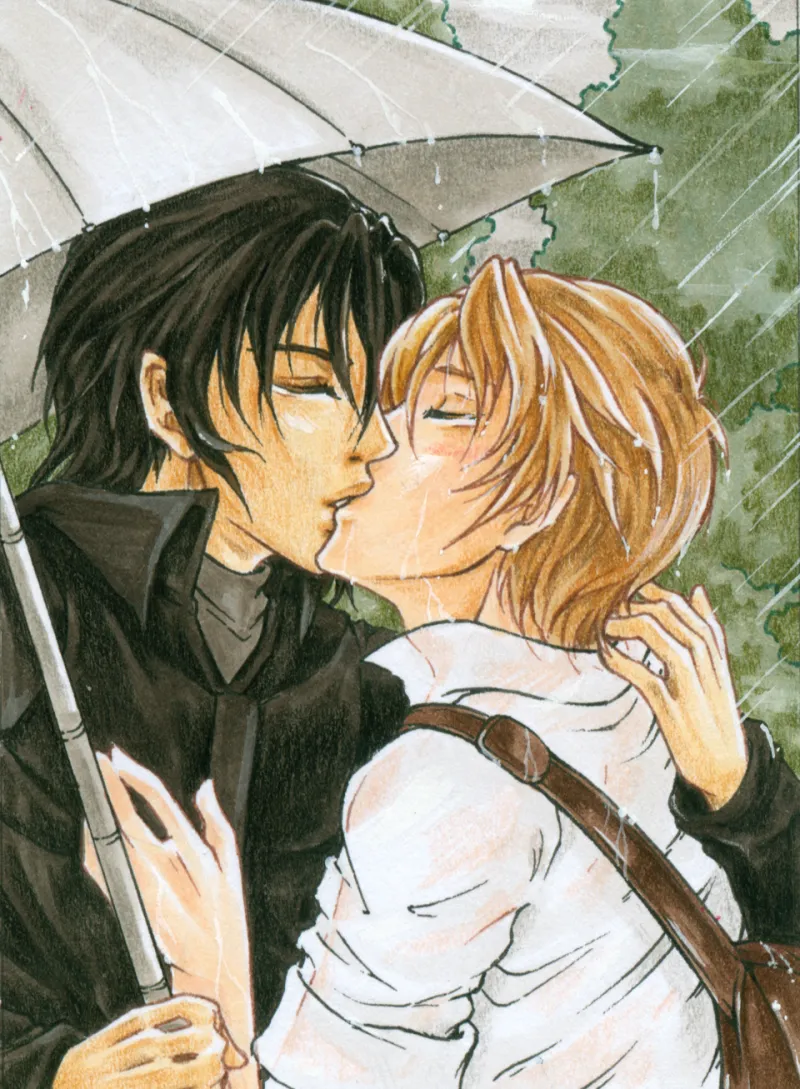
Photo: Sen Cross, Hiji and Ryo at Animexx, CC BY-SA 3.0, via Wikimedia Commons
There's a moment that every dedicated anime fan knows. You're watching an episode — maybe for the second or third time — and suddenly something clicks. A background poster. A throwaway line of dialogue. A character's ringtone. It's a reference buried so deep that catching it feels less like watching TV and more like finding a hidden door in a room you thought you knew by heart.
That feeling? Studios are engineering it on purpose. And Gen Z has turned it into a full-on social language.
More Than Just Fan Service
For a long time, easter eggs in anime were a bonus — cute little winks from animators to the most obsessive corners of the fandom. Think of the classic background cameos in older Gainax productions, or the real Tokyo street names dropped into slice-of-life series for locals to recognize. Fun, sure. But mostly incidental.
Something shifted. Somewhere between the rise of Tumblr gifsets, Reddit deep-dive threads, and the TikTok frame-by-frame breakdown era, studios started noticing that these hidden details weren't just being noticed — they were being celebrated. Loudly. Repeatedly. Across millions of views.
Now, callbacks and meta-references aren't accidents. They're architecture.
Series like Chainsaw Man, Jujutsu Kaisen, and Oshi no Ko have become almost notorious for the density of their hidden layers. Oshi no Ko in particular built its entire premise around meta-commentary on the entertainment industry, then layered that with references to real idol culture, manga tropes, and even subtle nods to its own source material in ways that made superfans feel like they were in on a private joke. The show didn't just reward rewatches — it practically demanded them.
The Psychology of the Secret Handshake
So why does catching a reference feel so good? It's not complicated — but it is genuinely interesting.
Psychologists who study media engagement point to something called "cognitive reward" — the satisfaction your brain gets from pattern recognition. When you spot something hidden, your brain registers a small but real hit of pleasure. You solved something. You knew something. That feeling is addictive in the most benign possible way.
But for Gen Z specifically, there's another layer. This is a generation that grew up online, where identity is constantly performed and community membership is constantly negotiated. Knowing the references isn't just fun — it's proof. Proof that you've put in the time, that you're a real fan, that you belong.
When someone posts a screenshot of a blink-and-miss-it detail from Frieren: Beyond Journey's End or spots a Neon Genesis Evangelion visual callback buried in a newer series, the comments section doesn't just react with surprise. It reacts with recognition. "I saw that too." "I knew you'd catch this." It's a handshake. A membership card. A way of saying: we're in the same club.
Fan Communities as Decoder Rings
Here's where it gets genuinely fascinating from a cultural standpoint: the fan community itself has become part of the machinery.
Subreddits, Discord servers, and dedicated wiki communities now function as living annotation layers on top of the shows themselves. When a new episode of a heavily-referenced series drops, the breakdown posts often appear within hours — sometimes minutes. Frame-by-frame analyses. Timestamp comparisons across seasons. Connections to real-world events or other franchises that casual viewers would never catch alone.
This isn't just commentary. It's collaborative decoding. And the shows have started to anticipate it.
There's a feedback loop happening in real time. Studios know their most dedicated fans will dissect every frame. So they plant more to find. Fans find more, post more, grow the community. New fans join the community, go back to rewatch earlier episodes, find things they missed, post about it — and the cycle deepens. What started as a bonus for superfans has become a core engagement strategy.
Some creators are even starting to acknowledge this relationship openly. Directors and animation supervisors dropping hints on social media, official accounts posting cryptic images before episode releases, voice actors teasing callbacks in interviews. The "hidden" reference has become its own form of content marketing — which is a little meta in itself.
When the Reference Goes Cross-Franchise
One of the more interesting evolutions in this space is the cross-franchise callback — references that don't just reward fans of a single series but fans of an entire ecosystem.
Studio MAPPA, for instance, has developed a reputation for slipping visual and thematic echoes between its own productions. Fans who watch both Chainsaw Man and Jujutsu Kaisen have cataloged similarities in shot composition, color grading choices, and even character design tics that feel less like coincidence and more like an ongoing conversation between productions. Whether intentional or not almost doesn't matter at this point — the fan community has decided it's a language, and they're reading it.
This cross-franchise fluency is something that's particularly resonant for American audiences, where the Marvel Cinematic Universe trained an entire generation to watch credits, rewatch scenes, and treat every frame as potentially meaningful. Anime fans — especially those who came to the medium through MCU-adjacent fandoms — arrived already primed to look for connections. The difference is that anime's reference culture often runs deeper, spanning decades of source material, real-world Japanese cultural moments, and layers of genre self-awareness that reward genuine curiosity.
The Risk of Going Too Deep
It's worth being honest: this trend isn't without its downsides.
When a show's identity becomes too wrapped up in its own references, it can start to feel exclusionary — or worse, hollow. There's a version of this where the easter eggs become a substitute for actual storytelling, where the thrill of recognition replaces the emotional payoff of a well-told narrative. Some fans have pushed back on series that seem to prioritize the "did you catch that?" moment over genuine character development.
There's also the gatekeeping problem. When reference-catching becomes a measure of fan legitimacy, it can make newer or more casual viewers feel like they're perpetually on the outside. The secret handshake stops being welcoming and starts being a bouncer.
The best series — the ones that use this strategy most effectively — manage to make the references feel like a bonus rather than a requirement. You can love Dungeon Meshi without catching every D&D reference or isekai genre callback. But if you do catch them? It's a gift.
A Living Language
What's happening with anime easter eggs and callbacks right now is genuinely new. It's not just studios being clever and fans being observant. It's a creative community and its audience developing a shared language in real time — one that evolves with every new season, every community breakdown post, every frame-by-frame TikTok.
For Gen Z, that language is part of what makes anime feel like theirs. Not just entertainment you consume, but a world you inhabit, a code you speak, a community you earn your way into one hidden reference at a time.
And honestly? That's a pretty cool thing to be fluent in.