Respawn IRL: What Isekai Anime Is Actually Teaching Gen Z About Reinventing Their Lives

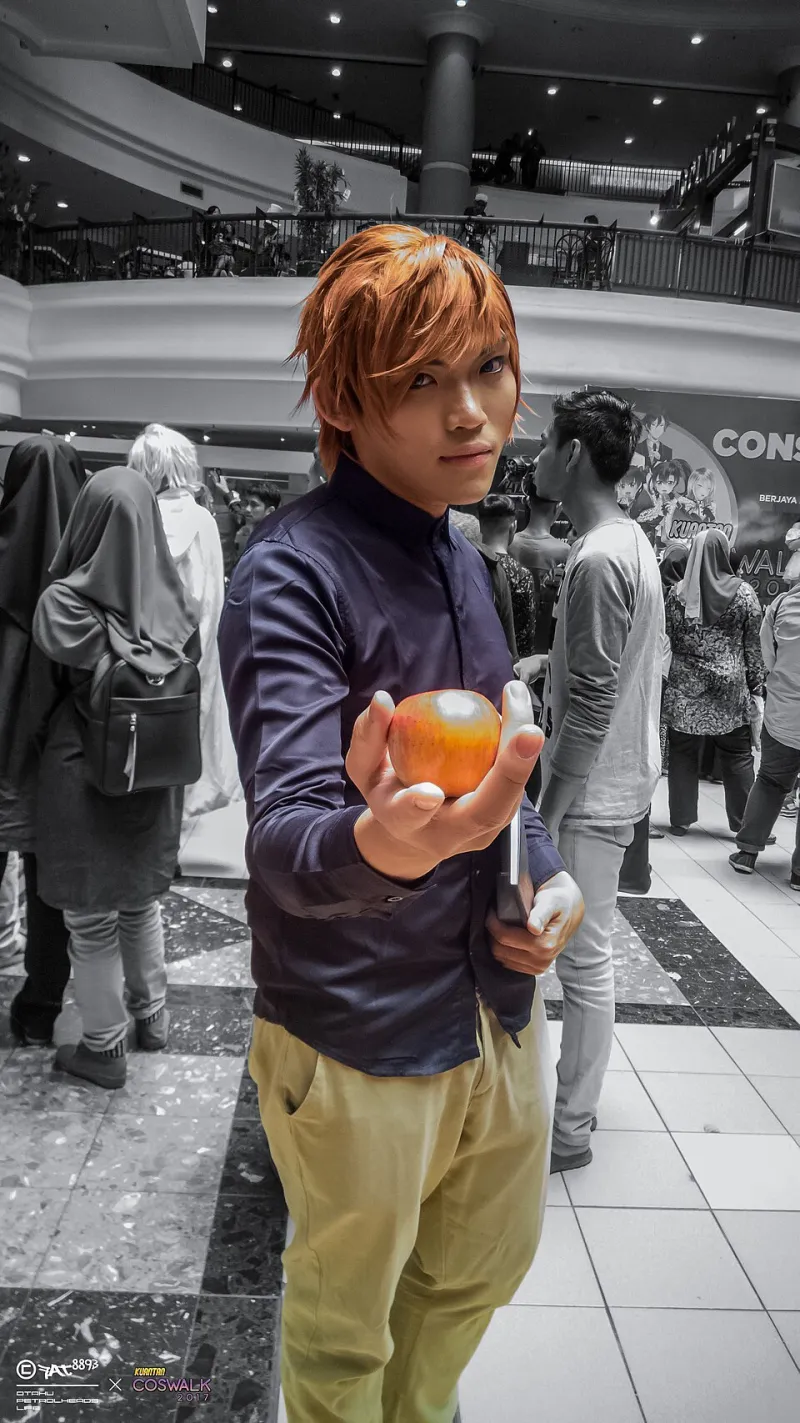
Photo: K.oa, CC BY-SA 2.0, via Wikimedia Commons
There's a moment in almost every isekai anime that hits differently depending on who's watching. The protagonist—usually a burned-out salaryman, a bullied student, or just someone who feels completely stuck—gets yanked out of their ordinary life and dropped into a new world where their skills suddenly matter. Where they get to start over. Where the grind actually means something.
For a lot of American Gen Z viewers, that moment doesn't just feel like good storytelling. It feels like a mirror.
The isekai genre has exploded in popularity over the last decade, and its grip on American anime fandom is tighter than ever. But beyond the dungeon crawls and overpowered protagonists, something more interesting is happening. Fans are internalizing the genre's core fantasy—that it's possible to completely reinvent yourself, build real skills, and carve out a life that actually fits—and they're starting to apply it to their very real, very non-magical careers.
The Fantasy That Hits Too Close to Home
Iseki's appeal in the US isn't really about dragons or magic systems (okay, it's a little about those). It's about the premise underneath all of it: the idea that the life you're currently living doesn't have to be the only life you get.
That's a message landing hard for a generation that entered adulthood during a pandemic, inherited a brutal housing market, and watched the traditional career ladder get kicked out from under them. When That Time I Got Reincarnated as a Slime shows Rimuru building an entire economy from scratch through relationships and creative problem-solving, or when Mushoku Tensei frames its protagonist's second life as a genuine opportunity to do better—these aren't just plot devices. They're frameworks.
And frameworks, it turns out, are contagious.
Anecdotally—and increasingly backed by social media trends—young American fans are drawing direct lines between isekai narratives and their own life decisions. Subreddits dedicated to isekai anime are full of threads where people discuss which protagonist's skill set they'd want, which fictional economy they'd thrive in, or which job class fits their real-world strengths. It reads like career counseling dressed up in fantasy armor.
Skills, Guilds, and the Gig Economy
Here's where it gets genuinely fascinating. Isekai anime almost always centers on the protagonist identifying a unique skill or overlooked talent and leveraging it in ways the old world never allowed. Cooking. Negotiation. Crafting. Knowledge of modern engineering. These aren't flashy superpowers—they're competencies reframed as extraordinary.
That framing is resonating with Gen Z in a very specific way. The generation that grew up being told to "follow their passion" only to find passion doesn't pay rent is now watching anime that says: your specific, weird, niche skill set has value—you just might be operating in the wrong environment.
It's no coincidence that the rise of isekai's popularity in the US roughly parallels the explosion of creator economy platforms, indie entrepreneurship, and unconventional career paths. Etsy shops, Substack newsletters, independent game development, niche YouTube channels—these are all, in a loose but real sense, people building their own guilds. Starting over in a new world with the skills they already have.
Some fans are pretty explicit about the connection. Ask around in anime Discord servers and you'll find people who credit watching KonoSuba or Overlord with making them think differently about how they monetize their hobbies or structure their freelance work. That's not nothing.
The Procrastination Problem Nobody Wants to Talk About
But here's the part that deserves some honest scrutiny: for every fan who watches isekai and feels genuinely motivated to build something, there's probably another who uses the genre as a pressure valve. A way to feel the emotional satisfaction of reinvention without doing any of the actual reinventing.
And that's worth sitting with, because the distinction matters.
Iseki narratives are engineered to be emotionally satisfying. Protagonists get immediate feedback on their choices. Skills level up visibly. Progress is measurable. The world bends to reward effort in ways that the real world—with its bureaucracy, its gatekeeping, its slow and nonlinear timelines—absolutely does not.
There's a real risk that the genre's fantasy of the clean slate becomes a substitute for the messy, uncomfortable work of actually building one. Watching Subaru fail and retry in Re:Zero is cathartic. Actually failing repeatedly at a real creative project, without a save point, is a different experience entirely.
The anime community has started poking at this tension more openly. Creators on YouTube and TikTok who cover anime through a self-development lens often make this exact point: the genre can be a spark, but sparks need oxygen and fuel. Inspiration without action is just daydreaming with better animation.
What the Genre Actually Gets Right About Starting Over
Despite the procrastination trap, there are things isekai anime understands about reinvention that are genuinely useful.
First, it normalizes the idea that your current context might not be the right environment for your abilities. That's not a nihilistic message—it's actually kind of radical. A lot of career advice tells people to optimize within existing systems. Isekai says sometimes the system itself is the problem, and imagining a different one is the first step.
Second, the best isekai stories are honest about the cost of starting over. Mushoku Tensei, for all its controversy, doesn't pretend that a second chance erases who you were. Ascendance of a Bookworm shows its protagonist grinding through years of slow, unglamorous work before anything resembling success arrives. These aren't power fantasies with no friction—they're stories about sustained effort paying off over time. That's a message Gen Z, often accused of wanting instant results, actually seems to be absorbing.
Third—and maybe most importantly—isekai consistently frames community as the real cheat code. Almost no protagonist succeeds alone. They build teams, earn trust, navigate conflict, and grow through relationships. In a moment when American culture is obsessed with the lone genius entrepreneur, that's a quietly countercultural message.
So Is It Inspiration or Escapism?
Honestly? Both. And that's fine, as long as you know which one you're doing at any given moment.
The fans who are genuinely using isekai as a motivational framework—who watch a protagonist build a blacksmithing empire and then go sign up for a welding class, or who see Rimuru's diplomatic skills and decide to get better at networking—those people are doing something real with the genre. The fantasy is serving as a permission structure, a way of imagining themselves differently before they actually become different.
The fans who are using it purely as emotional escapism aren't doing anything wrong, either. Not every piece of media needs to change your life. Sometimes you just need to watch someone get reincarnated as a spider and solve problems with eight legs.
But if you find yourself deep in your fourth consecutive isekai binge while your actual creative project sits untouched in a folder somewhere, it might be worth asking: what's the skill you already have that you haven't given a new world to thrive in yet?
The portal fantasy is appealing because it promises that the right environment can unlock who you were always supposed to be. The part the anime doesn't always show you is that you're the one who has to build the portal.
Start digging.