Lost in Translation: What Dies Between the Manga Page and Your Screen
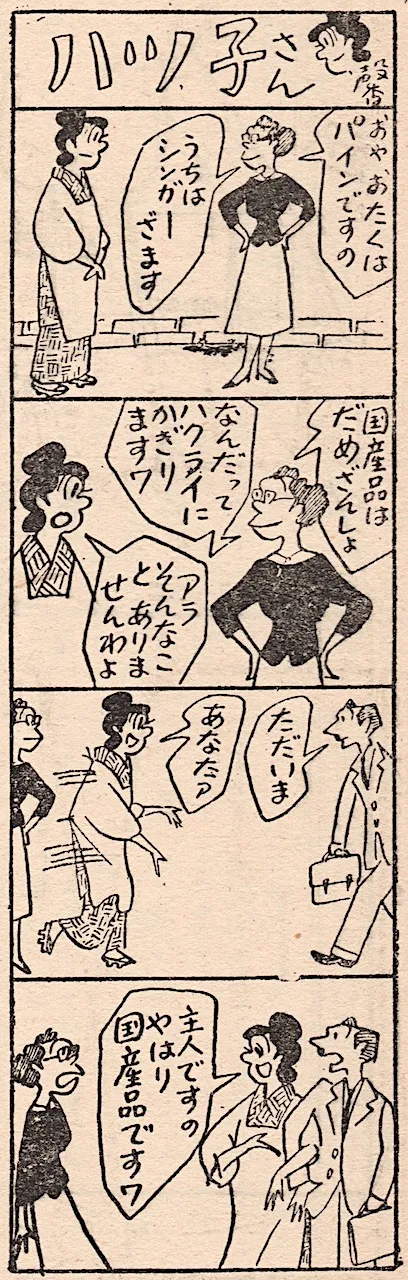
Photo: 投稿者によるスキャン, Public domain, via Wikimedia Commons
There's a specific kind of grief that manga readers know well. It hits right around episode four of a new adaptation, when the scene you dog-eared and re-read seventeen times gets compressed into a two-second cutaway — or worse, disappears entirely. You sit there, controller in hand, wondering how a studio could possibly miss that moment.
The short answer? Adapting manga into anime is genuinely hard, and not always in the ways fans expect.
Two Storytelling Languages, One Deadline
Manga and anime are both visual mediums, so it's tempting to assume the translation between them is mostly mechanical — just add motion and sound, right? But that assumption glosses over a fundamental difference in how the two formats create meaning.
In manga, a single panel can hold as much time as the reader needs. A character's expression lingers. Negative space does emotional heavy lifting. The reader controls the pace, zooming in on a detail or rushing through a fight sequence based on their own instincts. There's no score swelling in the background, no voice actor's inflection to lean on. The art carries everything.
Anime, by contrast, operates in real time. Every second costs money, and every scene has to work within a fixed runtime. A two-page spread that communicates dread through shadow and silence might translate into a three-second shot — and that three-second shot has to compete with background music, dialogue, and the relentless forward momentum of a 24-minute episode.
Storyboard artists essentially serve as translators between these two languages. Their job isn't to copy the manga — it's to find the anime equivalent of what the manga was doing. Sometimes that's a 1:1 match. A lot of the time, it isn't.
The Budget Reality Nobody Wants to Talk About
Here's something the discourse around adaptations often skips: most anime productions are working with tighter constraints than fans realize. A standard cour (13 episodes) might allocate its animation budget unevenly across the season, front-loading quality into the premiere and finale while middle episodes run leaner. This is partly why you'll notice a beloved fight scene from chapter 47 looks stunning in the anime while an equally important emotional confrontation in chapter 51 feels weirdly flat.
The decision about what gets visual investment isn't always creative — sometimes it's a spreadsheet conversation. Directors often have to choose between doing one scene right and doing three scenes adequately. Fans, understandably, tend to want both.
This resource tension also explains one of the most common adaptation complaints: rushed pacing. When a studio needs to cover a certain amount of source material in a fixed number of episodes, interior monologue — a manga staple — is often the first casualty. A character's three-page internal debate about whether to confess their feelings might collapse into a single lingering close-up. The emotional logic survives, technically, but the texture that made readers feel the hesitation gets stripped away.
When Reimagining Is Actually the Right Call
Not every divergence from the source material is a loss, though. Some of the most celebrated anime moments exist precisely because the adaptation took creative liberties with the original.
Take the way certain shonen series have expanded fight choreography far beyond what the manga depicted. Manga action sequences often rely on impact frames and motion lines — implied movement rather than actual movement. A skilled animation team can take those implied beats and construct something kinetic and thrilling that the static page could only gesture toward. In those cases, the anime isn't failing the manga; it's completing it.
Directors who've worked on high-profile adaptations often describe their relationship with source material as a conversation rather than a transcription. The question they're asking isn't "how do we reproduce this panel" but "what was this panel trying to make the reader feel, and how do we make the viewer feel that?" Those are genuinely different questions with sometimes very different answers.
The Controversial Calls That Start Fan Wars
Of course, not every reimagining lands — and the ones that miss tend to leave marks.
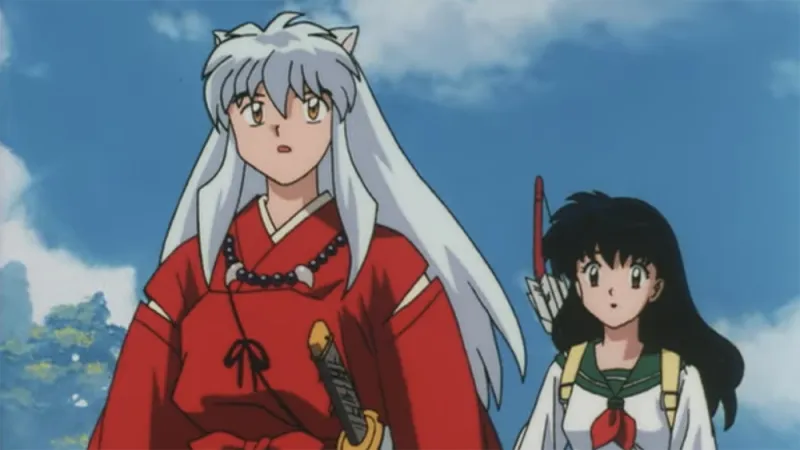
Color is one underappreciated flashpoint. Manga is black and white, which means fans spend years building their own mental color palettes for beloved characters. When an anime finally arrives and gives a fan-favorite character the "wrong" hair color or eye shade, the backlash can be disproportionately fierce. It's not just aesthetics; for devoted readers, it feels like a correction of something they'd made personal.
Pacing changes that affect character dynamics are even more contentious. When an adaptation speeds through the slow-burn development of a relationship — cutting the small, accumulated moments that made readers invest in a pairing — the resulting romance can feel unearned to newcomers and hollow to fans of the source. The plot beats might all be present, but the emotional scaffolding that held them up is gone.
Then there are the outright cuts. Any adaptation of a long-running series has to make hard choices about which subplots survive. Side characters who got full backstory arcs in the manga often arrive in the anime as narrative furniture. This isn't laziness — it's math. But it does mean that some of the richest material in a manga simply never reaches the majority of the audience, who are watching rather than reading.
What Fans Can Do With All This Frustration
Understanding the constraints doesn't make the disappointment go away. But it does reframe the conversation a little. When a scene you loved doesn't make it to screen, it's rarely because the studio didn't care — it's because they were solving a genuinely difficult problem with imperfect tools and limited time.
The most useful thing to do with that frustration is also the most obvious: read the manga. Not as a consolation prize, but as a different experience with its own rewards. The adaptation and the source aren't competitors. They're the same story told in two different languages, and fluency in both gives you something neither one can offer alone.
And hey — when the adaptation does nail that scene? When the music swells at exactly the right moment and the animation makes a panel you've read fifty times feel brand new? That's worth something too. That's the upside of the translation problem nobody talks about: when it works, it works in ways the manga never could.