Another World, Same Anxiety: What Isekai Anime Reveals About the American Psyche
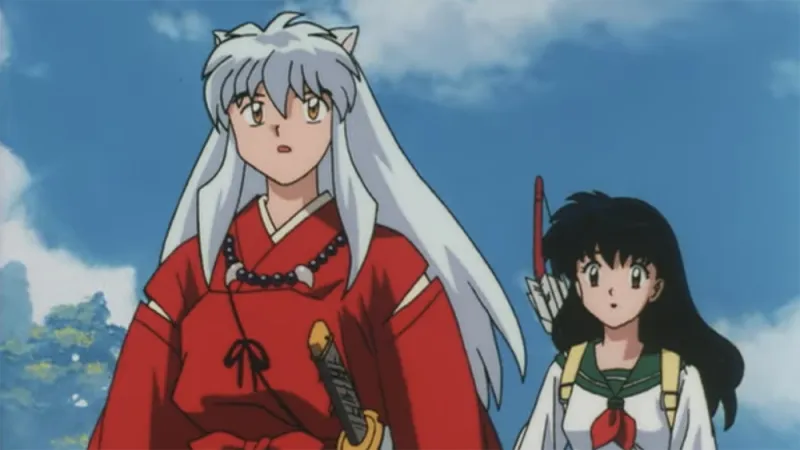
Photo: anime fantasy portal another world glowing gate, via variety.com
There's a moment in almost every isekai anime that hits different depending on who's watching. The protagonist — usually some unremarkable guy stuck in a dead-end existence — gets hit by a truck, falls into a portal, or just wakes up somewhere completely foreign. And instead of panic, there's this quiet sense of relief. A second chance. A clean slate.
For millions of American anime fans, that moment isn't just entertaining. It's deeply, uncomfortably relatable.
Isekai (literally "another world" in Japanese) has become one of the dominant genres in anime over the past decade, and its US fanbase has grown faster than almost any other segment of the community. But the reasons behind that growth go way beyond cool magic systems and overpowered protagonists. There's something psychological — maybe even sociological — happening here.
The Comfort of Starting Over
American culture has always been obsessed with reinvention. The frontier myth, the rags-to-riches dream, the idea that anyone can move somewhere new and become a completely different person — these are basically founding narratives of the US. Isekai taps directly into that same vein.
The genre's core fantasy isn't really about dragons or dungeons. It's about competence and purpose. In shows like That Time I Got Reincarnated as a Slime, Sword Art Online, or Re:Zero, characters who felt invisible or stuck in their original world suddenly discover hidden abilities, earn respect, and find communities that genuinely need them. That's not escapism in the shallow sense — it's wish fulfillment with real emotional stakes.
And right now, American audiences have a lot of reasons to crave exactly that. Student debt, stagnant wages, a job market that increasingly feels like it rewards credentials over actual skill — the conditions that make isekai resonate aren't subtle. When your real-world path forward feels blocked, watching someone teleport to a place where effort actually equals reward is genuinely cathartic.
Different Shows for Different Anxieties
Not all isekai fans are watching for the same reasons, and the genre has diversified enough to serve some pretty distinct emotional needs.
Younger viewers — particularly Gen Z fans in their late teens and early twenties — tend to gravitate toward titles like Overlord and The Rising of the Shield Hero, where protagonists deal with systems that are unfair by design and have to figure out how to survive anyway. There's a cynicism baked into those stories that resonates with a generation that grew up during financial crises and a global pandemic.
Millennial fans, on the other hand, often connect more with slower-burn isekai like Mushoku Tensei or Ascendance of a Bookworm — stories that emphasize building something meaningful over time rather than immediate power fantasy. The appeal there is less about dominance and more about crafting a life that actually feels intentional.
Then there's the growing audience for cozy isekai — think Campfire Cooking in Another World with My Absurd Skill or The Saint's Magic Power is Omnipotent — which barely involves combat at all. These shows are essentially fantasy slice-of-life, and they've found a massive audience among viewers who want the aesthetic of another world without the trauma. Stress-free escapism for people who are already exhausted.
Why the Truck-kun Trope Actually Makes Sense
The infamous "truck-kun" — the vehicle that kills isekai protagonists and launches them into their new lives — has become a running joke in fan communities. But the fact that death is so often the mechanism for transportation is worth thinking about.
In a lot of isekai stories, the protagonist has to lose everything in their original world before they can gain anything in the new one. Their old job, their social standing, their relationships — all gone. And that erasure is portrayed almost universally as a net positive. The old world wasn't working. The new world is a chance to actually matter.
That's a pretty bleak subtext when you spell it out, but it's also honest. For a lot of young Americans, the structures they were told would provide stability — education, career ladders, homeownership — have felt increasingly out of reach or just not worth the cost. The fantasy of a total reset, of a world where your value isn't determined by your credit score or your LinkedIn profile, lands hard.
The Metagame: Isekai Fans Know What They're Watching
One of the most interesting things about the American isekai fanbase is how self-aware it is. Online communities on Reddit, Discord, and social media aren't just consuming these shows passively — they're analyzing them, ranking power systems, debating which protagonists are actually well-written versus which ones are walking wish-fulfillment machines.
There's a whole subculture around the "LitRPG" genre in Western fiction — novels that borrow isekai mechanics like status screens and skill leveling — that has exploded in recent years, largely driven by anime fans who wanted the same energy in English-language books. Authors like Drew Hayes and Dakota Krout have built massive audiences essentially by translating isekai sensibilities into American storytelling.
That crossover is significant. It suggests that American audiences aren't just consuming isekai as a foreign cultural artifact — they're absorbing it, remixing it, and making it their own.
What Comes Next
The isekai genre isn't slowing down. If anything, it's diversifying. Female-led isekai like My Next Life as a Villainess and I Was Reincarnated as the 7th Prince have found strong audiences among women who'd previously felt underserved by the genre's more male-focused power fantasies. Isekai with darker, more literary ambitions — Made in Abyss sits adjacent to the genre, Frieren deconstructs it entirely — are drawing in viewers who want something more than escapism.
And honestly? The fact that a genre built around the fantasy of escaping your life has become this culturally embedded in America probably tells us something we should sit with for a minute.
Not because isekai is harmful — it's not. But because the appetite for it is a signal. People want to feel like their choices matter, like their skills are valued, like there's a world somewhere that actually makes sense. That's not an anime problem. That's just where a lot of Americans are right now.
The portal fantasy has always been with us — from The Wizard of Oz to Narnia to The Matrix. Isekai is just the latest, most democratized version of that dream. And judging by the simulcast numbers, the fan art, and the endless Reddit threads debating which overpowered protagonist would win in a fight, Americans aren't done dreaming anytime soon.